
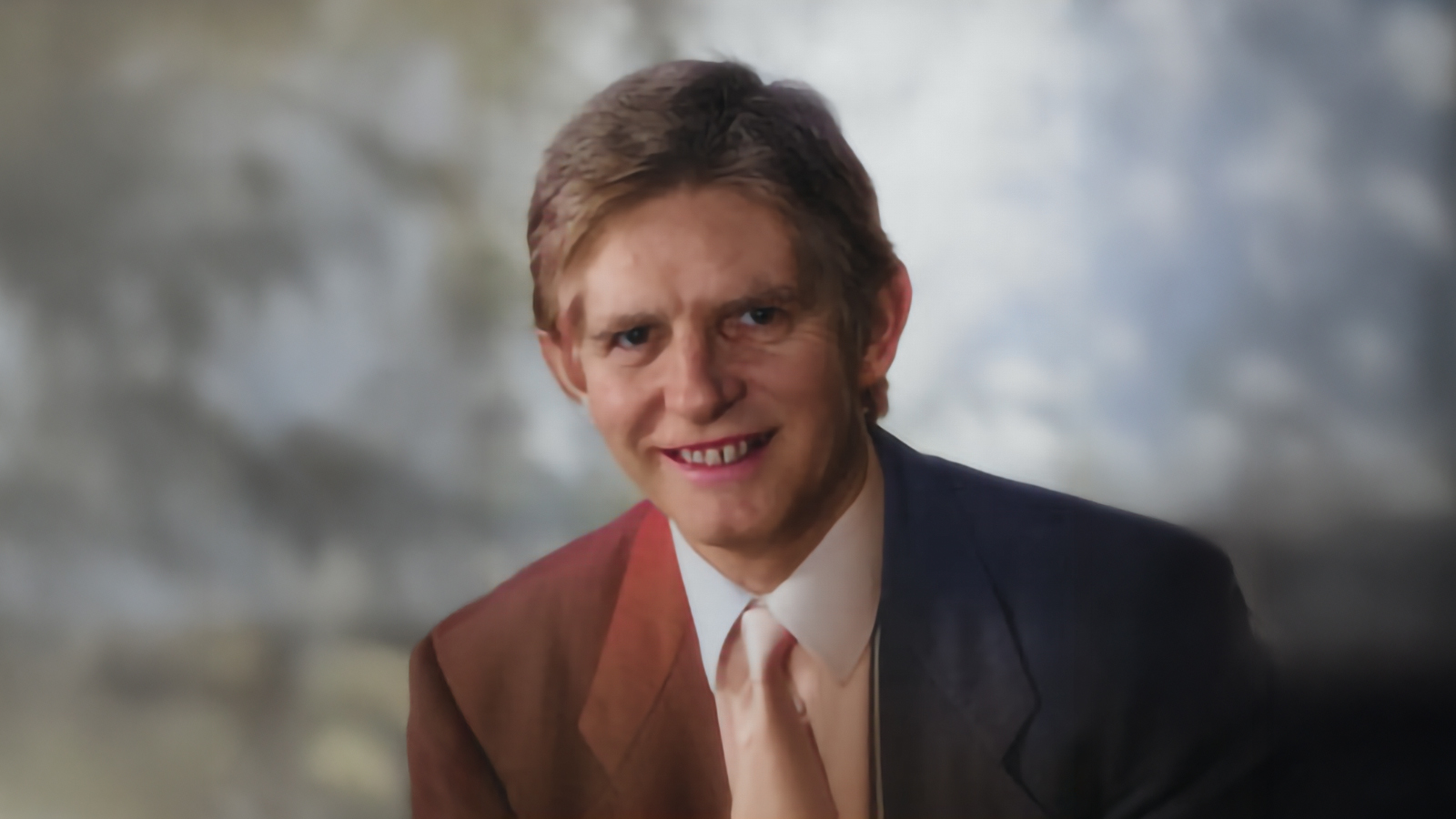
There are moments in life when you stumble upon something—or someone—not by design but by a thread of destiny gently guiding your steps. For me, one such moment occurred in the quiet, sunlit corners of the British Library in Delhi, sometime in the late 1990s.
Since 1984, I had been a regular visitor to that library, back when it was housed in the Red Cross Building near Parliament Street, before it found a more modern home in Connaught Place. That space, with its rich wooden shelves, well-organized catalogues, and the silent reverence of thought surrounding me, became my second home between clinic hours.
For a physician and teacher like me, those afternoon hours held a dual charm—offering escape from Delhi’s scorching heat in a centrally air-conditioned reading room and opening a portal to the intellectual landscapes of British medical and homeopathic publications. The British Library, maintained by the High Commission, was a treasure chest. It introduced me to new authors, unfamiliar methodologies, and the gentle murmur of evolving global thought in the realm of homeopathy.
Among the many books I perused and photocopied—often at a few rupees per page—there came a day when I opened a thick volume titled “Encyclopaedia of Homeopathy.” It was neither a dictionary of dry facts nor a mere listing of symptoms and remedies. This book pulsed with clarity, insight, and respect for the reader’s curiosity. It was organized like a modern infopedia but far more thoughtful and useful, especially at a time when most medical encyclopedias were just transitioning from paper to CD-ROMs. As someone who had been using a PC since 1990 and navigating the early stirrings of the internet in India after 1995, I could instantly recognize the sophistication and utility of this work. It was a rare gem.
The author’s name—Dr. Andrew Lockie—was not unfamiliar, yet it was through this encyclopaedia that I began to understand the depth of his contributions. The way he explained homeopathy felt personal. The way he laid out the nuances of case-taking, remedy selection, constitutional profiles, and clinical application made it seem as if a wise teacher was speaking directly to me, across nations and time zones. I remember gently turning those pages, reluctant to close the book, and even more eager to preserve parts of it for later contemplation. So I did what many of us scholars do—I requested photocopies and stored them carefully in my personal archive, like sacred pages of a living scripture on healing.
That day, I did not just find a book—I discovered a companion in thought, a fellow traveller on the journey of healing. Though we had never met, Dr. Andrew Lockie became part of my intellectual family. His words stayed with me, informed my clinical approach, and shaped how I explained homeopathy to patients and students alike. And today, as I pause to remember him—on this day he left us, 30th April 2004—I realize just how profoundly his life continues to inspire mine.
Early Life and Medical Foundations
To understand the man who wrote with such compassion and clinical precision, we must step back into the Scottish lowlands of the mid-20th century, to a young boy who dreamt of healing long before he ever held a stethoscope.
Andrew Hart Lockie was born on 2nd March 1947 in Glasgow, Scotland, and raised as an only child in the gentle, introspective atmosphere of the Scottish central lowlands. Solitude often nurtures sensitivity, and in Lockie’s case, it cultivated a reflective mind, one that would later become deeply attuned to the emotional and physical nuances of human suffering. By the time he was just eight years old, Andrew had already made up his mind—he wanted to become a doctor. In many ways, this early determination foreshadowed the clarity of purpose he would carry throughout his life.
He was educated at Fettes College in Edinburgh, a school known for its academic rigour and elite alumni. Interestingly, among his contemporaries at Fettes was Tony Blair, who would later become the Prime Minister of the United Kingdom. But while some pursued politics, Lockie’s vision remained unwavering—he was on a path to serve humanity through medicine.
From Fettes, he moved to Aberdeen University, one of Scotland’s most respected institutions, to formally begin his journey in medicine. There, he absorbed the classical teachings of anatomy, pathology, pharmacology, and clinical sciences, like every medical student of his era. Yet even in those early years of training, a restlessness brewed within him. The prevailing model of medicine—though grounded in science—seemed, to his perceptive eye, too mechanical, too impersonal. It often reduced patients to their diseases, neglecting the full spectrum of who they were: their emotions, their preferences, their experiences, their inner world.
This subtle discontent did not diminish his performance, but it planted seeds of inquiry that would bloom later. Lockie observed that much of what patients offered—the way they expressed their pain, the foods they craved or avoided, the times of day they felt worse, the emotional undercurrents behind their illness—was brushed aside as irrelevant. He knew instinctively that these details mattered. But he hadn’t yet found a system of medicine that taught how to value and utilize them.
It was this growing dissatisfaction with the fragmented view of patients that led him, after completing his formal training, to venture to London, a city where tradition and innovation often intersected. One day, almost serendipitously, he visited the Royal London Homeopathic Hospital. What he encountered there would change the course of his life.
Here, at last, was a philosophy of medicine that honored the totality of symptoms, that understood the human being not as a sum of disconnected organs, but as an integrated whole. For Lockie, this wasn’t just a clinical realization—it was a moment of homecoming. The hospital offered a one-year postgraduate course in homeopathy, and Lockie eagerly enrolled. He immersed himself in the teachings of Hahnemann, Boenninghausen, Kent, and others, and saw how the theoretical frameworks he had once missed during his medical schooling now formed a comprehensive system that respected individuality and vital force. Upon completion, he earned his Membership of the Faculty of Homeopathy in 1974.
This marked not only his formal initiation into the world of homeopathy but also the beginning of a lifelong commitment to integrative, patient-centered healing. The foundation was now laid—not only for his practice but for his contributions as a writer, teacher, and public advocate for homeopathy. A man trained in the rigors of modern medicine had now found his heart aligned with the ancient wisdom of healing through similars, and the journey of Dr. Andrew Lockie as a homeopathic physician had truly begun.
Bridging Allopathic and Homeopathic Training
While most practitioners might have rested in the comfort of a newly found path, Dr. Andrew Lockie chose instead to deepen both sides of his medical identity—refining his skills in conventional medicine even as he embraced the depth of homeopathy. For him, homeopathy was not a rejection of modern medicine but its necessary expansion. To practice truly integrative care, he felt the need to strengthen his foundation further.
Shortly after his homeopathic training, Lockie joined a general medical practice in Oxfordshire where homeopathy was part of the clinical offering. This experience allowed him to observe how the two systems could co-exist in practice. Yet, it also made him aware of gaps in his conventional exposure—especially in areas that deeply affected women and families. He understood that to serve as a trustworthy physician who could holistically care for people at every stage of life, he needed to revisit the hospital wards with humility and intent.
Thus began another rigorous chapter in his journey. He returned to hospital work, not out of necessity, but out of choice, to gain further conventional qualifications. He trained in Accident and Emergency, where the immediacy of trauma and acute intervention sharpened his decision-making. He worked in Pediatrics, where the vulnerability of children demanded clinical precision balanced with emotional tenderness. He went on to specialize in Obstetrics and Gynaecology, earning his Diploma in Obstetrics and a Family Planning Certificate, equipping himself to understand and serve the needs of women at every reproductive stage.
Each rotation added to his understanding, not only of diseases but of people. His encounters with patients across various departments reinforced a truth that would later shape his teaching and writing: that medicine must embrace the science of the body and the art of listening to the soul.
He concluded this period with a year as a trainee general practitioner, eventually earning his Membership of the Royal College of General Practitioners (RCGP). By then, Dr. Lockie had achieved what few could claim—a solid foundation in both conventional and homeopathic medicine, with recognized qualifications and firsthand experience spanning multiple specialties.
It was during this intensely formative time that he also made one of the most important personal decisions of his life. In 1976, he married Barbara, a 21-year-old acupuncturist. More than a partner in life, Barbara became a philosophical companion in healing. Together, they embodied the spirit of integrative wellness—marrying East and West, science and tradition, logic and intuition. Their union was not only of minds and hearts but of therapeutic paradigms.
By the time he entered the next phase of his career, Dr. Lockie had grown into a physician who was not only exceptionally qualified but also deeply self-aware. He understood both the potential and limitations of each system of medicine and was ready to create a practice that would draw from the best of both worlds. With the rich clinical experience of hospitals behind him and the unshakable philosophical grounding of homeopathy within him, he stood at the threshold of something transformative—a model of care that could be gentle yet effective, scientific yet soulful, modern yet timeless.
And it was with this preparation that he stepped into a new chapter in 1978—one that would define the legacy we remember today.
Rise of Homeopathic Clinical Practice
In 1978, Dr. Andrew Lockie returned to London, but now not as a student or a trainee—he returned as a physician ready to bring his vision of integrative healing into full clinical reality. With modest resources but great conviction, he established his first independent homeopathic practice in Ealing, a suburban area of West London. The beginning was humble. To ensure financial stability, he continued to take shifts with out-of-hours emergency medical services and lent his expertise at other homeopathic clinics. Yet what he was building was far greater than a medical practice—it was a space that would represent the culmination of his diverse training, his deeply rooted compassion, and his commitment to individualized care.
It did not take long for his reputation to grow. Word-of-mouth spread among patients who had experienced the grace and depth of his consultations. He was not just a prescriber—he was a listener, an observer, a physician who held space for each patient to speak and be truly heard. In a time when many clinics rushed patients through appointments, Dr. Lockie stood apart for his patience and personal connection. His clinical success with homeopathy, particularly in chronic and recurring conditions, began to attract patients not only from within London but also from neighboring counties.
With a rapidly growing patient base and a young family at home, Dr. Lockie soon decided to move from London to the quieter surroundings of Guildford, Surrey. This shift also allowed him to consolidate his work, bringing together multiple clinics into one full-time, thriving homeopathic practice. In Guildford, he was able to deepen his work with families, seeing generations grow under his care. For many, he became more than a doctor—he became a guide through the many stages of health and illness, a constant presence in times of vulnerability.
But Dr. Lockie’s vision extended beyond the classical borders of homeopathy. Always a student at heart, he had started to explore diet and nutrition as essential elements of holistic healing. He enrolled in a formal course on nutrition, and this study profoundly shaped his future therapeutic strategies. He discovered, for instance, how blood sugar imbalances—often driven by excessive sugar intake—could influence not just energy levels and digestion, but also mood, immunity, and chronic illness. He began recommending individualized dietary plans, including blood-sugar balancing diets, to help restore metabolic harmony in his patients. In many cases, he found that such simple yet strategic nutritional changes enhanced the action of homeopathic remedies and supported long-term healing.
This fusion of homeopathy with nutrition and naturopathy was not a departure from classical homeopathy—it was an expansion, a recognition that the terrain of the body must be fertile for the vital force to express itself fully. Dr. Lockie was evolving into a true physician of the future, long before integrative medicine became a global trend.
In the backdrop of his private practice and evolving clinical methods, Dr. Lockie continued to stay abreast of developments in orthodox medicine. He regularly attended postgraduate lectures, subscribed to medical journals, and later embraced the internet as a means of medical inquiry and global connection. He was never dismissive of conventional interventions when they were needed. Rather, he saw homeopathy and allopathy not as rivals but as complementary tools—to be used wisely, judiciously, and always with the patient’s best interest at heart.
And so, by the mid-1980s, Dr. Lockie had quietly become one of the most respected homeopaths in the United Kingdom—not through flamboyance or self-promotion, but through the strength of his clinical outcomes, the clarity of his philosophy, and the unwavering trust of his patients. What began as a single homeopathic clinic in Ealing had blossomed into a beacon of holistic healing in Guildford, touching the lives of thousands and preparing the ground for even greater contributions that were yet to unfold.
Evolution into Integrated Medicine
By the time Dr. Andrew Lockie entered the late 1980s, he had already accomplished what many doctors might spend an entire career striving for—a successful clinical practice, a loyal patient base, a compassionate reputation, and a deep well of knowledge in both orthodox and homeopathic medicine. But Lockie was not one to rest in achievement. The nature of healing itself, in his eyes, demanded continuous evolution, collaboration, and humility. It was this mindset that propelled him into the next phase of his work: the creation of a truly integrated model of medicine, where multiple healing disciplines could collaborate under one roof for the benefit of the patient.
With Guildford as his clinical base, Dr. Lockie established what came to be recognized as a comprehensive, multidisciplinary practice—a vision decades ahead of its time. At the heart of this model was a homeopathic core, but it expanded to include a remarkable constellation of therapeutic services. Alongside him worked Dr. Nuria Booth, a homeopathic colleague who shared his dedication. Together, they were joined by a counselor, a chartered physiotherapist, an acupuncturist, a Chinese herbalist, a nutritionist, a Pilates instructor, and even a personal trainer. Coordinating this team was the ever-reliable Pat Webb, his practice manager, who ensured that the flow of patients and practitioners remained seamless.
This center wasn’t just a clinic—it was a living embodiment of Lockie’s integrative philosophy. He understood that healing could not be forced through a single lens. Instead, it must be woven together from many threads: physical, emotional, nutritional, energetic, and psychological. In this space, a patient might receive a carefully selected homeopathic remedy, alongside a diet plan, a musculoskeletal assessment, and emotional support. The goal was not to suppress symptoms but to gently restore balance, respecting the patient’s unique journey and empowering their vital force.
As the practice flourished, it expanded its reach to two additional satellite locations, including the prestigious Harley Street in London and Loxwood, making his vision of integrative care accessible to a broader demographic. These expansions were not just professional milestones—they were signs of trust. Patients were willing to travel, often from afar, to seek care in a place where they felt understood and holistically treated.
Dr. Lockie also recognized the power of technology to democratize access to medical knowledge. Long before many physicians embraced the internet, he launched a patient-centered website that reflected his clinical philosophy. The design was clean and welcoming, the navigation intuitive, and the content rich with practical advice. Patients and curious readers alike could find guidance on remedies, lifestyle choices, and common health concerns. The website quickly earned praise for its clarity, relevance, and gentle tone—qualities that reflected Lockie himself.
But this expansion into digital space was not meant to replace the physician-patient relationship—it was meant to support it. Dr. Lockie believed that education was healing, and that a better-informed patient would make better decisions and engage more actively in their own recovery. The website became an extension of his consulting room—a silent counselor, available even when the doctor was not.
In retrospect, what Dr. Lockie achieved was more than an integration of therapies. He integrated wisdom and method, intuition and discipline, softness and science. His Guildford practice stood as a model of what healthcare could be when egos were set aside, and the patient’s wholeness was placed at the center of every clinical decision.
It was this very wholeness—not just of the patient, but of medicine itself—that Dr. Lockie sought to teach, protect, and promote in the coming years. His next contribution would be not only as a healer, but as a teacher, advocate, and voice for homeopathy in a world that was beginning to question its place.
Contributions to Teaching and Public Awareness
Dr. Andrew Lockie was not content with simply healing individuals—his deeper mission was to help heal the culture of medicine itself. He recognized that for homeopathy to thrive, it needed not only practitioners but also teachers, communicators, and defenders—people who could translate its philosophy for modern times and advocate for its rightful place in the medical dialogue. And so, in the midst of running a bustling integrative clinic, Lockie began to channel his energy into education and public outreach.
In 1992, Dr. Lockie co-founded the Homeopathic Physician’s Teaching Group (HPTG), a pioneering initiative that focused on training conventional doctors and veterinary surgeons in the principles and practice of homeopathy. For the next five years, he taught intensively in Oxford, not merely sharing materia medica or repertorization skills, but conveying a deeper message: that homeopathy was not a rival to conventional medicine—it was a companion, one that could enrich the diagnostic process, individualize treatment, and deepen patient connection.
Dr. Lockie brought something rare to these sessions: a combination of clinical credibility and personal warmth. Having walked through both allopathic and homeopathic corridors, he was able to speak both languages fluently—bridging the skepticism of the medically trained with the openness of those drawn to alternative systems. Many doctors who attended his sessions were moved not just by his knowledge, but by the sincerity and clarity with which he taught. He was known to lecture without notes, often weaving clinical cases and personal reflections seamlessly into his talks. On occasion, he would even sing for his students—an act of joyful humanity that made his presence unforgettable.
Recognizing the importance of public engagement, Dr. Lockie also served for several years as the Press Officer for the Faculty of Homeopathy. This was not a ceremonial role—it was one of courage and responsibility, especially in an era when homeopathy was frequently dismissed in mainstream media. Lockie stepped into this space with humility and grace, addressing questions, confronting criticisms, and gently guiding public understanding toward the deeper truths of homeopathy.
He wrote numerous articles for both medical journals and lay magazines, and was a frequent guest on radio and television programs, including the popular Pete Murray Show on LBC. These appearances were often challenging, but Dr. Lockie never shied away. His ability to speak clearly, confidently, and without arrogance won over many listeners and demonstrated to the public that homeopathy was practiced not only by idealists, but by grounded, educated professionals.
Yet, perhaps his most enduring contribution to education came through the written word. Between 1989 and 2000, Dr. Lockie authored and co-authored a series of influential books that would become cornerstones of modern homeopathic literature. Each book served a distinct audience but reflected a consistent voice—clear, compassionate, and practical.
- “The Family Guide to Homeopathy” (1989) – Published by Elm Tree Books, this guide empowered families to treat common ailments with confidence and safety. It became an instant favorite among parents and lay users.
- “The Women’s Guide to Homeopathy” (1992) – Co-authored with Dr. Nicola Geddes and published by Penguin, this work focused on women’s health, bridging hormonal, reproductive, and emotional concerns with thoughtful homeopathic approaches.
- “The Complete Guide to Homeopathy” (1995) – Also co-authored with Dr. Nicola Geddes and published by Dorling Kindersley, this book blended visual appeal with depth, offering a structured, richly illustrated overview of remedies, philosophy, and case studies.
- “The Natural Diet” (1997) – Co-written with Jeanette Marshall and published by Penguin, this book delved into how nutrition could support immune resilience and healing, complementing homeopathic interventions.
- “The Encyclopaedia of Homeopathy” (2000) – Published by Dorling Kindersley, this was his magnum opus. Designed with clarity and precision, it offered an A-to-Z reference on remedies, conditions, clinical strategies, and philosophical tenets. It was later revised and updated in 2006 by Dr. David Owen and Dr. Patricia Ridsdale.
Each of these works was a labor of love—distilling decades of clinical wisdom into pages that could empower not just professionals, but the lay public as well. Through these books, Dr. Lockie democratized homeopathy, making it understandable, applicable, and welcoming to all.
For Dr. Lockie, education was a form of healing. Whether through a book, a lecture, a website, or a quiet moment in consultation, his aim was always the same: to uplift the patient, to dignify the process of healing, and to invite others—students, colleagues, families—into the beautiful and often mysterious world of homeopathy.
His voice, once soft and personal, had now become a voice for a movement—not just in Britain, but globally.
Books and Publications – An Expanded Overview
If clinical practice was the heartbeat of Dr. Andrew Lockie’s life, then his writings were its enduring breath—carrying his thoughts, insights, and philosophy far beyond the consulting room, into homes, classrooms, and clinics across the world. With each book he wrote, he was not just transmitting knowledge; he was building a bridge—between the professional and the public, between the classical and the modern, and between scientific rigor and human warmth.
What makes Lockie’s books remarkable is not just their content, but their tone and accessibility. In an era where medical writing often felt either overly technical or vaguely spiritual, he struck a rare balance. He spoke as a doctor and as a human being, always conscious of the reader’s need to understand, apply, and trust what was being offered.
Let us revisit, with appreciation, the body of work he left behind:
1. The Family Guide to Homeopathy (1989, Elm Tree Books)
This was Dr. Lockie’s first and perhaps most beloved book, aimed directly at empowering families to use homeopathy safely and confidently in everyday situations. It provided detailed remedy profiles for common ailments, from colds to childhood injuries, along with clear guidelines on when self-treatment was appropriate and when to seek professional care.
It demystified homeopathy for a general audience, while maintaining clinical integrity—a feat few had managed at the time. For countless readers across the UK, India, and beyond, this was their first window into homeopathy.
2. The Women’s Guide to Homeopathy (1992, Penguin Books)
Co-authored with Dr. Nicola Geddes, this book addressed a pressing need: women’s health issues often overlooked or inadequately treated in mainstream medicine. Covering everything from menstrual and menopausal challenges to pregnancy, childbirth, and emotional health, it provided thoughtful remedies and realistic advice.
The tone was empathetic and empowering, enabling women to take control of their own well-being with confidence. It was also one of the few homeopathic books at the time to focus exclusively on female physiology and psycho-emotional patterns.
3. The Complete Guide to Homeopathy (1995, Dorling Kindersley)
Also co-written with Dr. Geddes, this book took homeopathy into a more visual and structured form—in line with Dorling Kindersley’s renowned design standards. It combined high-quality imagery, clear flowcharts, remedy grids, and infographics with scholarly yet accessible text.
This was not just a book—it was a teaching tool, ideal for students, teachers, and even conventional practitioners exploring integrative care. It was adopted by many as a foundation reference text in educational settings and continues to be used even today.
4. The Natural Diet (1997, Penguin Books)
In collaboration with Jeanette Marshall, a nutritionist, this book highlighted the vital role of diet in healing. Dr. Lockie’s views on blood sugar regulation, sugar toxicity, and immune system optimization were years ahead of their time. He offered practical diet plans, diagnostic insights, and supportive therapies to restore metabolic balance—often used alongside homeopathic protocols.
For many patients and readers, this book marked the first time they saw diet and homeopathy interwoven, and it introduced an expanded model of wellness that included lifestyle and behavior.
5. The Encyclopaedia of Homeopathy (2000, Dorling Kindersley)
This was, undeniably, his masterwork—an extensive A-to-Z reference that was at once encyclopedic in scope and deeply human in tone. Remedy descriptions, clinical conditions, diagnostic frameworks, philosophical underpinnings, and therapeutic guidance were all laid out in a way that was beautifully designed and intuitively structured.
Unlike earlier materia medicas or repertories that were often intimidating to the modern reader, this encyclopaedia invited exploration. It made complex ideas digestible and retained the essence of classical homeopathy while speaking a modern language.
In 2006, two of his trusted colleagues—Dr. David Owen and Dr. Patricia Ridsdale—revised and updated the book, a testament to its ongoing relevance and value.
These books, translated into multiple languages and circulated internationally, ensured that Dr. Lockie’s wisdom was not confined by geography or profession. His words entered clinics and homes across continents, often shaping how homeopathy was taught, understood, and practiced in the early 21st century.
For me personally, it was through his Encyclopaedia of Homeopathy—discovered in the quiet reading room of the British Library in Delhi—that I first felt the presence of a kindred spirit. His words resonated deeply with my own philosophy as a practitioner and educator. They offered more than information; they offered companionship in thought, a sense that someone else had walked this path before and had lit a lamp for others to follow.
In his books, Dr. Lockie distilled the essence of a healer’s lifetime. And even now, decades later, when a young student asks how to understand homeopathy, or a mother seeks help for her child’s fever, I find myself reaching—literally or mentally—for the pages Dr. Lockie once penned.
Legacy of a Compassionate Healer
The true measure of a physician’s life is not only found in degrees earned, books published, or clinics established—it is found in the lives quietly touched, the hearts healed, and the faith rekindled in those who once sat across the consultation table, vulnerable and unsure, and left feeling seen, heard, and empowered. This is where Dr. Andrew Hart Lockie’s legacy lives most vividly—in the countless stories of transformation that patients still recount and in the deep trust he inspired across generations.
By the time the 1990s had matured into the new millennium, Dr. Lockie’s presence in the medical world had become more than influential—it had become formative. Children he had once treated as infants were now returning to him as adults, bringing their own children for consultations. Families had built their healthcare narratives around his care, holding on to his advice, his humor, and his remedies like talismans. He had become a living archive of their histories, and in turn, they became a testament to the continuity and depth of his clinical presence.
Those who worked alongside him consistently recalled a rare balance: clinical thoroughness and intuitive kindness. Dr. Lockie was not a physician hardened by years of repetition; he remained alive to the uniqueness of each case. He never trivialized a patient’s suffering, no matter how familiar the condition. He retained a near childlike joy in seeing someone get better—not just the resolution of symptoms, but the return of vitality, spirit, and agency.
He understood something that few physicians articulate openly—that healing is not a transaction but a shared journey. It involves walking with the patient through their uncertainty, restoring their confidence not just in the remedy, but in life itself. And to do that well, the physician must never lose touch with his own humanity.
His consultations, though grounded in the discipline of classical homeopathy, were infused with gentle wit and uplifting warmth. A patient might leave with a prescription and dietary advice, but also with a sense of being truly cared for. Often, laughter would escape the consulting room—a reminder that even in illness, life’s spirit must not be silenced.
This quality also extended to his role as a mentor and teacher. Students remembered him not just for his knowledge, but for his presence—calm, encouraging, unpretentious. He never lectured from a place of superiority. Instead, he shared what he had learned with generosity, often weaving in anecdotes, philosophical reflections, and occasional bursts of song. To learn from Dr. Lockie was to learn that medicine could be both rigorous and joyful.
In his private life, he remained grounded and deeply fulfilled. With his wife Barbara—his companion in healing and in life—and their four children—David, Kirsty, Alastair, and Sandy—he created a life rich in relationships, music, nature, and reflection. Though the demands of his profession were many, he knew how to find balance. He often found solace in music, playing the guitar not only for pleasure but also as a form of meditation and connection.
Those closest to him observed that in the years leading up to his passing, Dr. Lockie had reached a state of profound contentment. He had found peace, not through retreat from life but through full engagement with it—serving, loving, creating, and reflecting. He had walked the delicate line between science and soul, intellect and intuition, tradition and innovation, and he had done so with remarkable grace.
In 2002, his contributions were formally recognized when he was awarded the Fellowship of the Faculty of Homeopathy—a distinction he cherished deeply, not because it added to his credentials, but because it affirmed that his work had meaning beyond the boundaries of his clinic.
Yet, perhaps the most enduring recognition came not in the form of awards, but in the lives uplifted, the doubts dissolved, the confidence restored, and the countless moments where a patient, sitting quietly after being heard, felt hope again.
When he passed away on 30th April 2004, at the age of only 57, there was an almost collective stillness in the world of homeopathy. Not because a public event had ceased, but because a quiet, steady light had gone out. One that had never demanded attention, but had illuminated the path for so many.
But light, once shared, never truly disappears. It continues—through words, through teachings, through the subtle but powerful ripples of a life lived with integrity and care.
Farewell and Eternal Impact
The morning of Friday, 30th April 2004, at the Royal Surrey County Hospital in Guildford, marked the sudden and untimely passing of Dr. Andrew Hart Lockie. He was just 57 years old—a man still in his intellectual prime, still teaching, still healing, still writing, and yet, in an instant, his physical voice fell silent. For the homeopathic community—not only in the UK but across continents—it was a moment of profound pause. A voice of clarity, warmth, and balance had left us.
His funeral was more than a farewell—it was a celebration of a life that touched hundreds, if not thousands, with the grace of healing. On Monday, 17th May 2004, a Service of Thanksgiving was held at Guildford Cathedral. Over 400 people gathered—family, friends, patients, colleagues, students—all united in love and gratitude. The atmosphere, though solemn, carried a quiet radiance, much like the man they had come to honor.
At the service, a tribute was delivered by his close friend and colleague, Dr. David Owen. It was a tribute not just to a doctor but to a man who had, as Dr. Owen said, “courageously charted his own medical path outside the career structures of his day.” He recalled Andrew’s meticulous prescribing, his unwavering patience, and his genuine concern for anyone in distress. He spoke of Andrew’s playfulness, humility, sense of humor, and love of music—how he would sometimes sing in his lectures, breaking the tension and drawing his students closer to the soul of the subject.
Dr. Lockie’s family life was as rich as his professional one. With Barbara, his wife and a gifted acupuncturist in her own right, he raised four children—David, Kirsty, Alastair, and Sandy—in a home where healing was not just a vocation but a value system. His ability to balance the demands of a busy integrative clinic with a fulfilling domestic life remains one of the many ways he silently taught us the art of living well.
His patients remembered him as more than a doctor. For many, he had walked beside them during the darkest chapters of their lives—through illness, grief, emotional upheaval—and had helped them find not only better health, but renewed hope. Former students recalled him not just as a teacher of materia medica, but as someone who modeled how to be a human being first, and a physician second.
In the days and weeks following his passing, tributes poured in. Journals, newsletters, and public forums were filled with reflections on the profound gap his departure had left. And yet, amid that grief, there was also a resounding affirmation—Dr. Andrew Lockie had completed his work well. He had given the world more than most ever do. His books continued to guide. His patients continued to flourish. His students continued to teach others in his spirit.
From Glasgow to Guildford, from a small consultation room to satellite clinics across Surrey and London, and eventually to households across the globe through his publications—his life was a quiet revolution. He didn’t march or demand or challenge with force. He simply worked—intelligently, compassionately, and unwaveringly—toward a better kind of medicine, where the patient is whole, the remedy is gentle, and the doctor is present in both mind and heart.
And in the quiet stillness of that April morning when he left, the echo of his presence remained—on bookshelves, in medical libraries, in handwritten notes taken during his lectures, in stories passed from patient to patient, and in the sacred space between a healer and the one who comes seeking healing.
Personal Reflection and Tribute
Even now, more than two decades after his passing, I can still recall the moment I discovered his work—as clearly as if it happened yesterday. That quiet afternoon in the British Library in Delhi, perhaps sometime in the late 1990s, became more than just a moment of study. It became a moment of connection across space and spirit.
There I sat, between my morning and evening clinic hours, seeking knowledge and rest amidst the silence of the library’s central air-conditioning and polished shelves. Among the many books I’d photocopied and studied, one stood out like a lantern in a fog—The Encyclopaedia of Homeopathy.
Turning its pages was not like reading a technical manual. It felt like entering a well-lit consulting room where the physician was not rushed, not detached, but deeply attentive and present. The language was modern, the information accurate, the tone respectful. I remember copying pages—not because I needed them immediately, but because I knew they would serve me someday, in my practice, my teaching, or simply in moments of reflection. I was not just collecting information—I was collecting inspiration.
As the years went on, his name came up often—not just through his books, but in discussions, lectures, and patient references. When I later came to know of his passing on 30th April 2004, the news struck me with surprising intensity. I had never met Dr. Lockie, never written to him, never exchanged a single word. Yet it felt like I had lost a mentor. That is the silent power of some individuals—they enter your life not by introduction, but by intuition.
He had shown me, and many others, what it meant to be a healer in the truest sense—not merely one who prescribes remedies, but one who restores dignity, listens with sincerity, and holds the patient’s wholeness in view. In his life, Dr. Lockie had balanced the polarities of modern medicine and timeless healing wisdom. He had never surrendered his critical mind, but he had also never let it suffocate the heart’s instinct.
And as I reflect today—on this date, 30th April, marked gently but indelibly on the Homeopathy Timeline—I find myself not mourning, but remembering with gratitude. Gratitude for his courage to follow an unconventional path, for his effort to make homeopathy understandable to the public, for his elegant books that brought clarity to complexity, and for the silent encouragement he gave through his example to homeopaths like me.
Each time I teach a student about the deeper meaning of symptoms, or each time I hand a patient a remedy chosen not just from a rubric but from their lived experience, I know I am walking on a path he helped lay down. His legacy is not simply in books or fellowships—it is in the quiet decisions made by practitioners worldwide who, like him, choose gentleness, insight, and empathy over routine.
Today, I light a lamp—not only on my desk but in my heart—for Dr. Andrew Hart Lockie. Not to mourn a loss, but to honor a life well lived. A life that continues to breathe through the wisdom he shared, the lives he changed, and the hope he cultivated in so many.
And so, in closing this tribute, I offer no grand farewell. Only this:
Thank you, Dr. Lockie. Your work continues. Your voice echoes. Your light remains.